
The Fibonacci sequence is a fascinating mathematical sequence rich in aesthetic and scientific implications. It starts with the numbers 0 and 1, and each subsequent number is the sum of the two preceding numbers. This recursive sequence, often referred to as the “golden sequence,” is represented as follows:
0, 1, 1, 2, 3, 5, 8, 13, 21, 34, …
0, 1, 1, 2, 3, 5, 8, 13, 21, 34, … Where each subsequent number is the sum of the two preceding numbers. For example, 1+2=3, 2+3=5, 3+5=8, and so on.
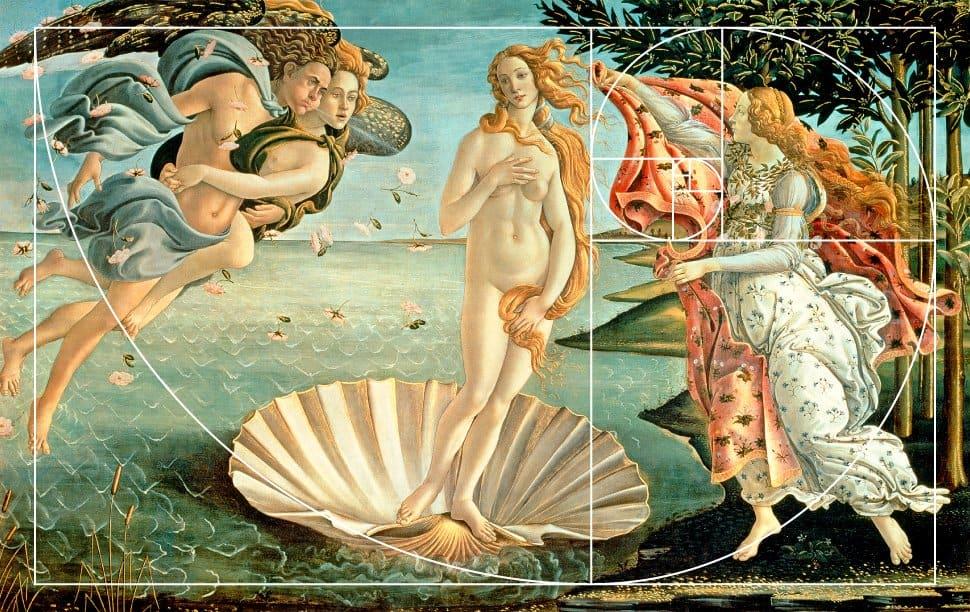
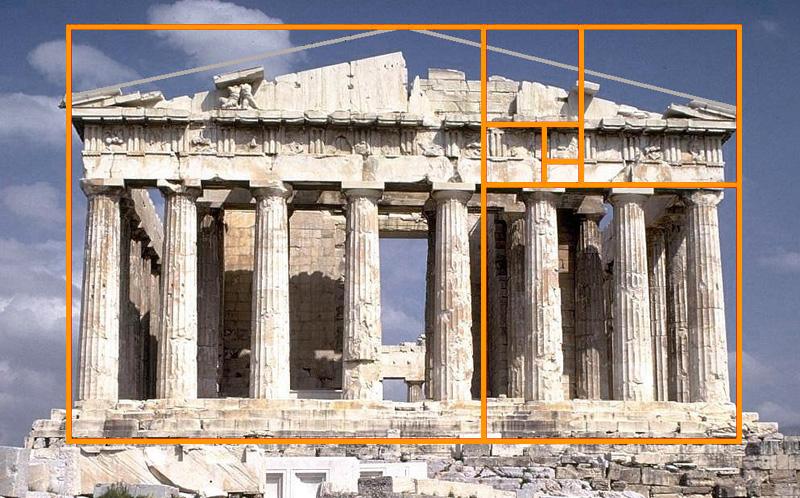
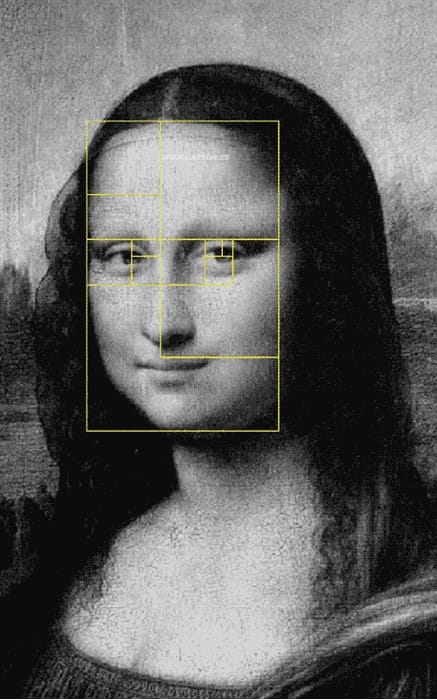
An interesting geometric derivation of the Fibonacci sequence is the Golden Spiral. It is obtained by constructing a series of squares, with the length of each side being the sum of the lengths of the sides of the two previous squares. If we draw a circular arc with the radius equal to the side of the largest square, a logarithmic spiral is formed.
The Golden Spiral possesses intrinsic beauty and is present in many aspects of the natural world and art. It has been admired since ancient times, representing ideal proportions in Greek architecture and influencing Renaissance aesthetics. Moreover, it has been used by great artists and musicians, such as Mozart, in their works.
What makes the Golden Spiral even more fascinating is its widespread presence in nature. It appears in the structure of DNA, the growth of many organisms, and the arrangement of planets in the solar system. The golden ratio can be observed in various life forms and natural patterns, providing evidence of its universal presence.
In summary, the Fibonacci sequence and the Golden Spiral represent two captivating mathematical and geometric concepts, whose beauty and significance are reflected in both human art and aesthetics and in the mysteries and harmonies of the natural world.